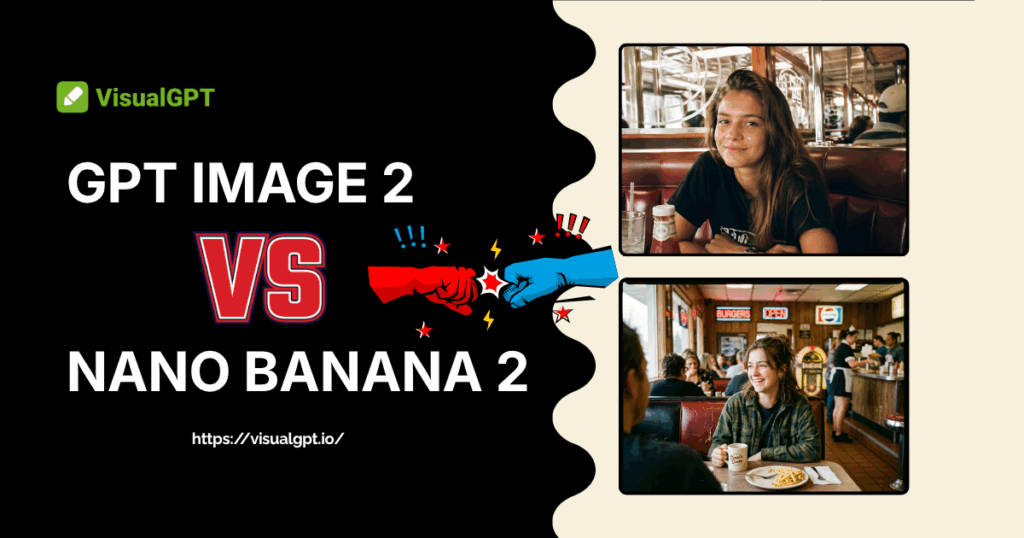
On April 21, 2026, OpenAI released GPT Image 2. Within 12 hours it claimed the top spot on the LM Arena Image leaderboard with an Elo score of 1,512 — 242 points ahead of the previous leader, Google's Nano Banana 2. That margin is the largest the board has recorded between first and second place.
We spent the following days running both models through the same prompts across real creative and professional use cases. This breakdown of GPT Image 2 VS Nano Banana 2 covers image quality, text rendering, speed, safety, and pricing — and the specific scenarios where each model actually performs better.
GPT Image 2 VS Nano Banana 2 at a Glance
The raw numbers favor GPT Image 2. But leaderboard scores abstract away a lot of nuance, so we ran both models through seven real-world scenarios.
What Is GPT Image 2?
GPT Image 2 is OpenAI's second-generation standalone image model. Unlike gpt-image-1, which leaned on the GPT-4o architecture, GPT Image 2 uses an independent autoregressive architecture — the same approach that powers large language models. The model reads text within an image as structured semantic data rather than pixel patterns, which is why its text rendering accuracy sits at roughly 99% at the character level across dozens of languages.
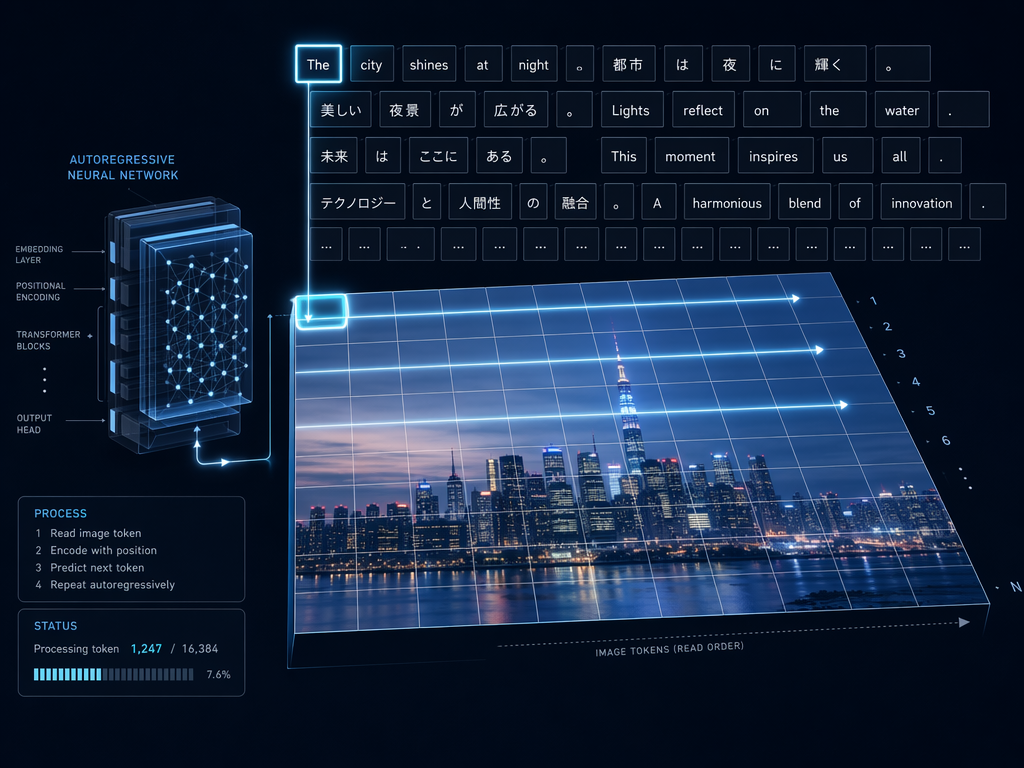
Two things distinguish it from the previous generation: built-in output self-checking (the model can evaluate its own generated images for coherence before delivering the result), and training knowledge that extends through late 2025 via web search integration.
Key specs:
- Architecture: Autoregressive (independent)
- Max resolution: 2K native output
- Generation speed: ~3 seconds (standard mode)
- LM Arena Elo score: 1,512
- Text rendering: ~99% accuracy, native multi-language support
- Multi-image consistency: Up to 10 panels per prompt
- Transparent background: Supported
- Web search integration: Yes (knowledge current through late 2025)
- Output self-checking: Yes
You can try GPT Image 2 directly through VisualGPT without a ChatGPT subscription.
What Is Nano Banana 2?
Nano Banana 2 is Google's image generation model, released in February 2026 on the Gemini 3.1 Flash architecture. It uses a diffusion-based approach that produces a characteristic painterly quality — many artists actively prefer its aesthetic over sharper, more photographic alternatives.
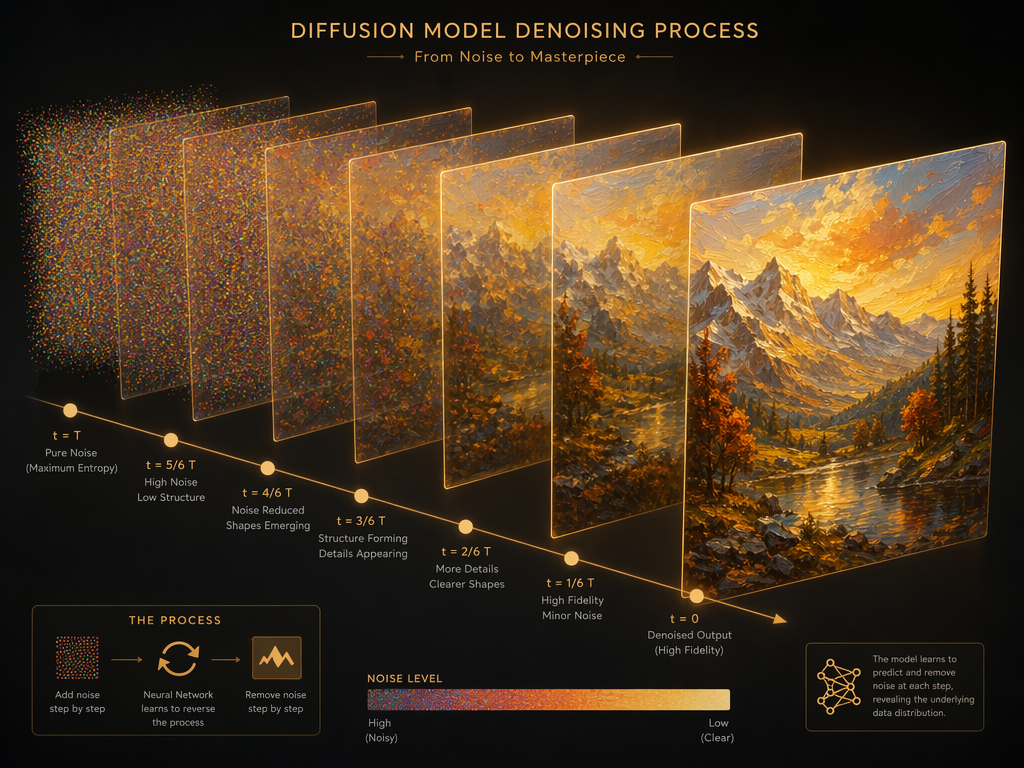
Its clearest advantage in the GPT Image 2 VS Nano Banana 2 matchup is real-time web search that pulls live Google Search results during generation. That lets it accurately depict current trends, brand visuals, and internet culture that training data alone would miss.
Key specs:
- Architecture: Diffusion model
- Max resolution: 4K (with upscaling)
- Generation speed: ~20–30 seconds (Pro mode)
- LM Arena Elo score: 1,271
- Text rendering: ~95% accuracy
- Multi-image consistency: Up to 5 characters / 14 fidelity levels (Pro)
- Batch generation: Up to 4 images per prompt (Pro)
- Transparent background: Not supported
- Web search integration: Yes (live results)
- Built-in editing: Style transfer, brand swap, image translation
Real-World Tests: 7 Use Cases
1. GPT Image 2 VS Nano Banana 2: Multi-language poster design
Prompt: "A product launch poster for a Japanese skincare brand, Japanese kanji headings, English subheadings, Arabic numeral prices."
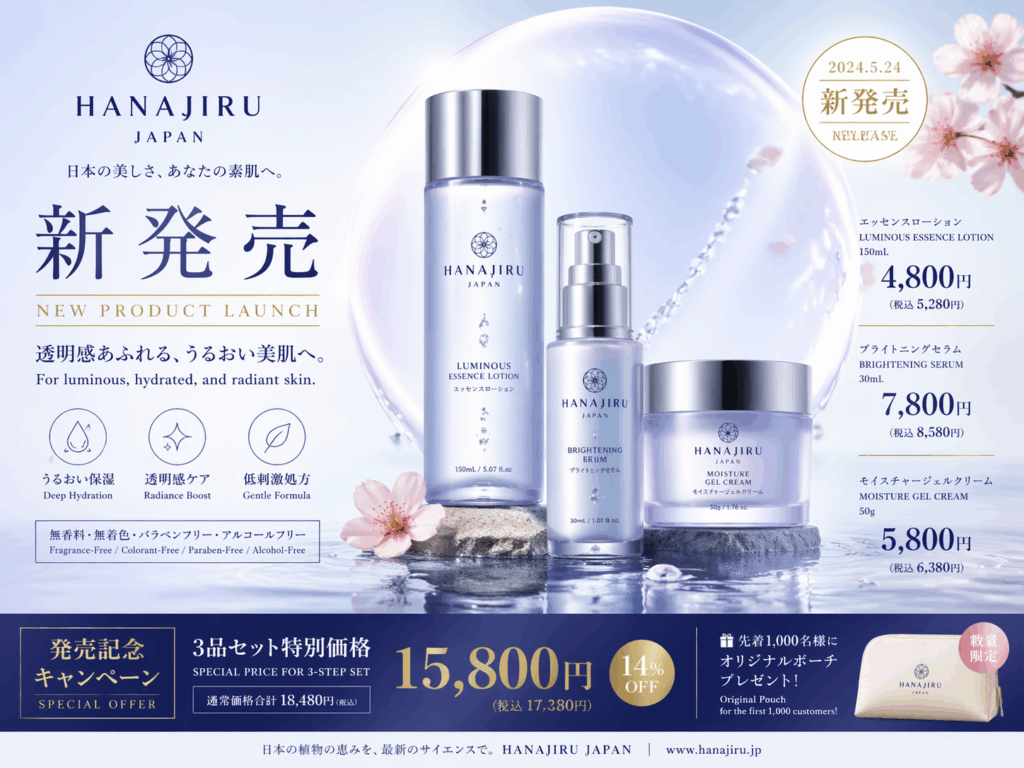
GPT Image 2 rendered every character correctly. The kanji was legible, the layout felt like something a real design studio would produce, and the typography hierarchy was clean.
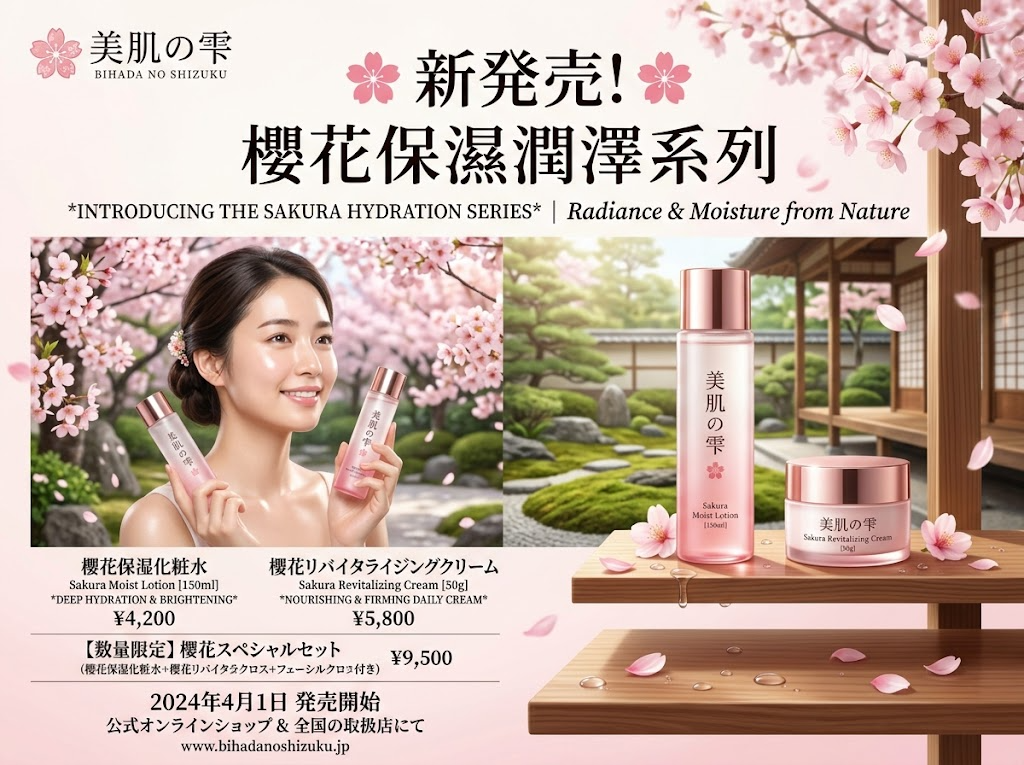
Nano Banana 2 got most characters right, but two kanji were malformed and one English subheading bled into the price column.
Quick Takeaway: GPT Image 2 wins. In dense multilingual layouts, the accuracy gap between ~99% and ~95% becomes visible.
2. GPT Image 2 VS Nano Banana 2: UI screenshot replication
Prompt: "A macOS desktop showing a productivity app — light theme, readable menu items, sidebar with project names."
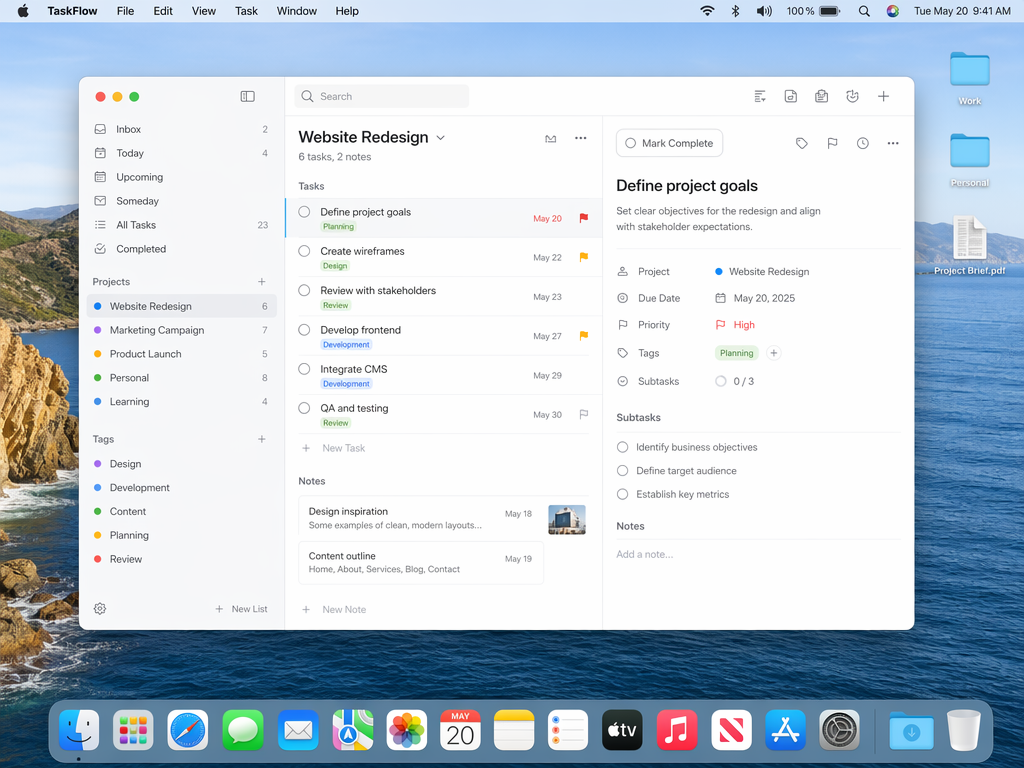
GPT Image 2 produced something indistinguishable from a real screenshot. Menu text was sharp, window chrome was accurate, and sidebar labels were clear.
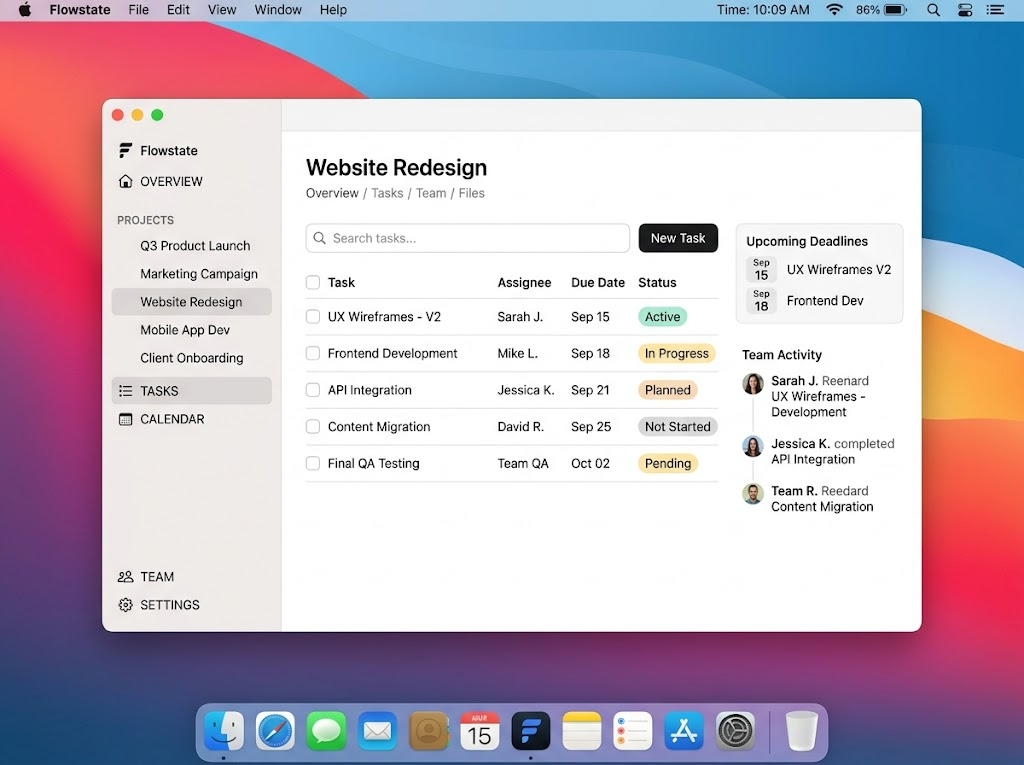
Nano Banana 2 captured the general composition but some menu text appeared blurry, and one menu item was duplicated.
Quick Takeaway: GPT Image 2 wins. Its autoregressive approach handles structured layouts with pixel-level precision.
3. GPT Image 2 VS Nano Banana 2: Character-consistent manga page
Prompt: "Two-panel manga. Panel 1: teenager with short dark hair, shocked expression. Panel 2: same character, smiling. Japanese speech bubbles."
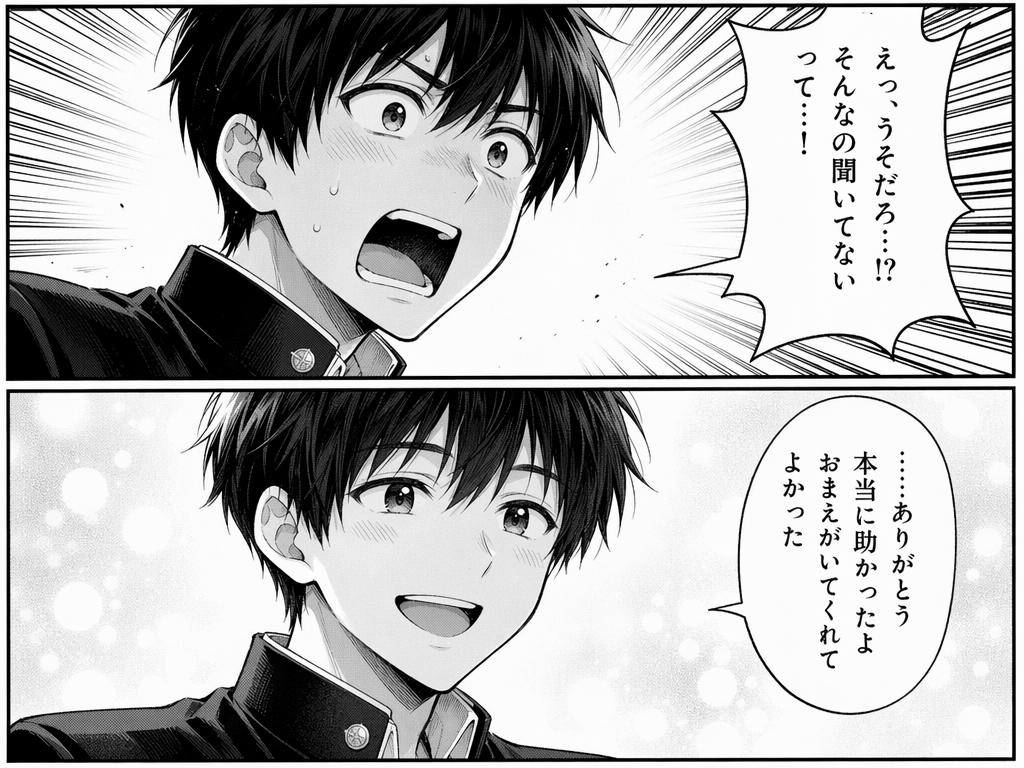
GPT Image 2 kept the character consistent across both panels, and the Japanese dialogue in the speech bubbles was coherent.
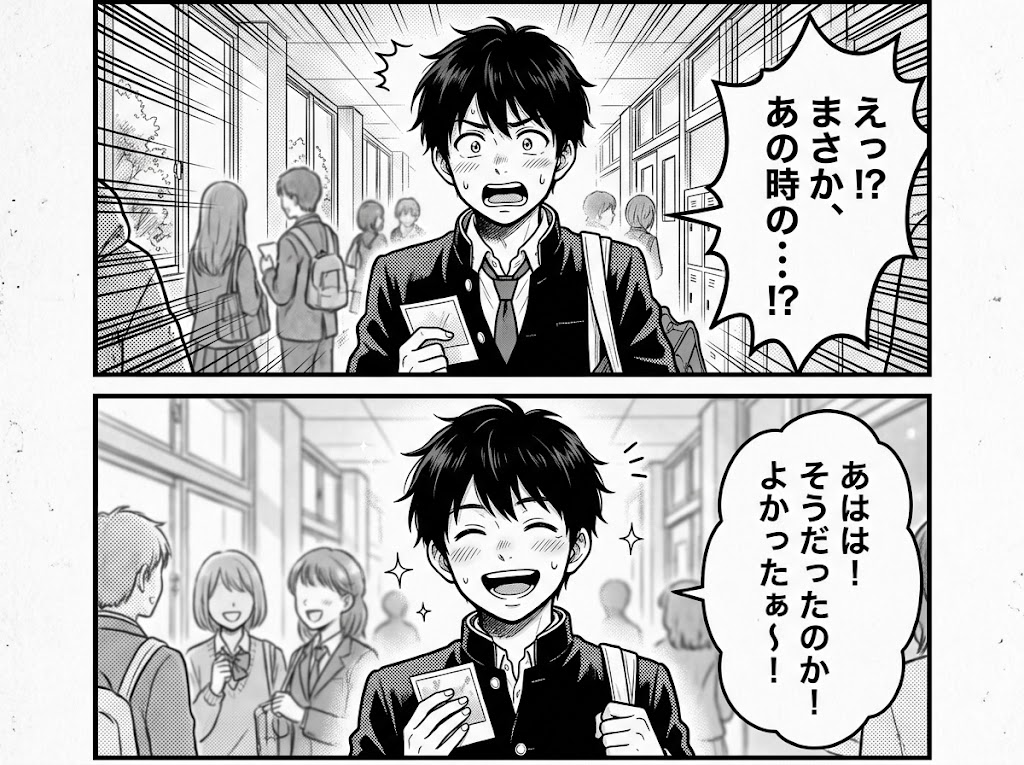
Nano Banana 2's character shifted slightly between panels (hair length changed), and one bubble's Japanese text was partially corrupted.
Quick Takeaway: GPT Image 2 wins on both consistency and text rendering.
4. GPT Image 2 VS Nano Banana 2: Trend-aware illustration
Prompt: "An illustration of a currently popular internet meme character in classic oil painting style."
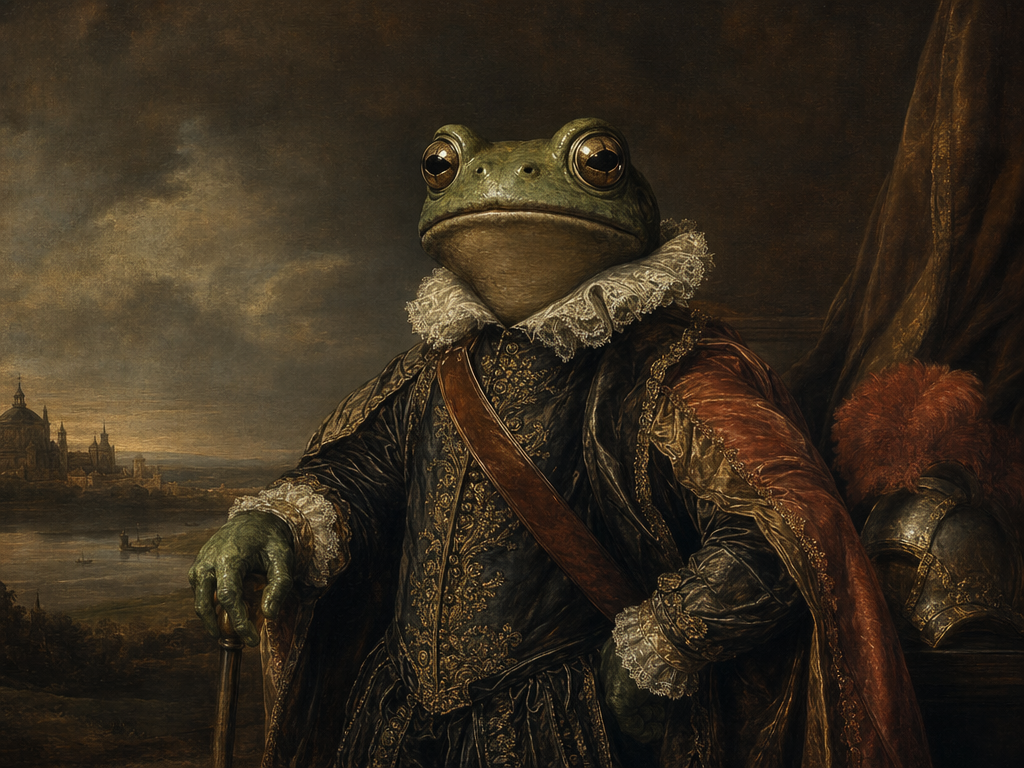
GPT Image 2 generated a technically impressive oil painting, but couldn't identify the correct meme character — it defaulted to a generic historical figure.
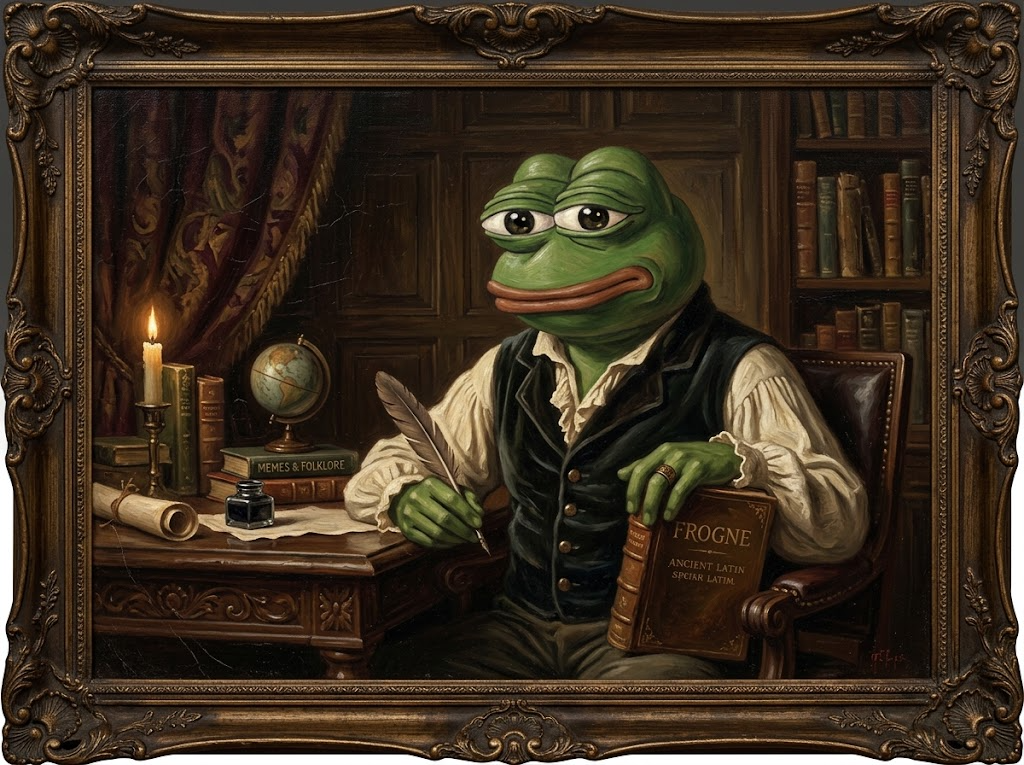
Nano Banana 2 identified the character correctly via live web search, then rendered it convincingly in oil-painting brushwork.
Quick Takeaway: Nano Banana 2 wins. When cultural currency matters, its real-time search is hard to beat.
5. GPT Image 2 VS Nano Banana 2: Portrait photography
Prompt: "35mm film photograph of a young woman in a 1990s diner, warm tones, natural grain, candid."
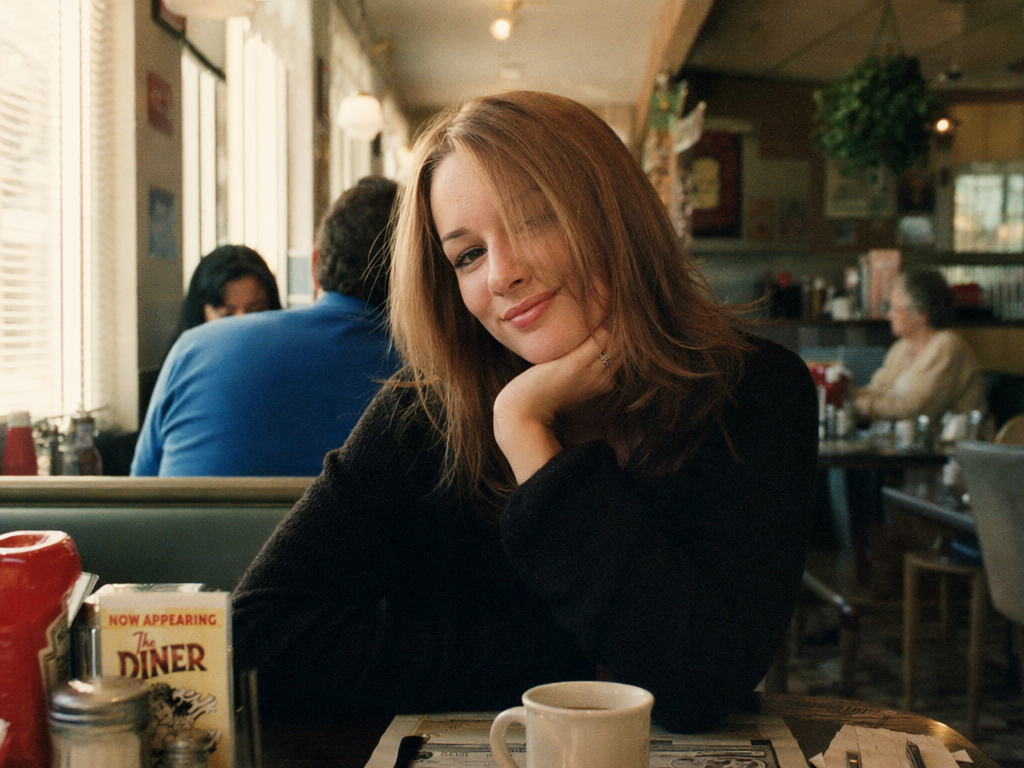
GPT Image 2 produced an authentic-looking shot with believable film grain and documentary-style composition.

Nano Banana 2's diffusion architecture generated smoother skin tones. Several testers preferred its softer treatment.
Quick Takeaway: Tie. GPT Image 2 leans photographic; Nano Banana 2 leans painterly. Preference depends on the project.
6. GPT Image 2 VS Nano Banana 2: Real-world scene
Prompt: "A street photography shot of a Chinese city sidewalk with shared bikes, delivery riders, and storefronts."
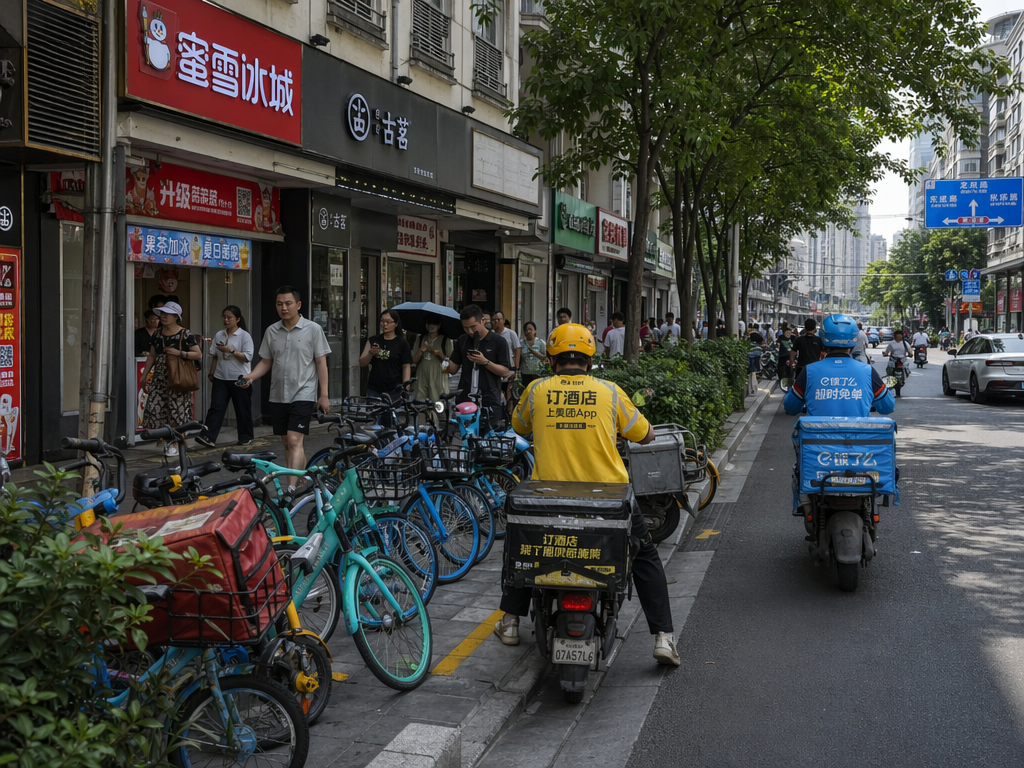
GPT Image 2 rendered natural human expressions, accurate lighting, and realistic material textures.
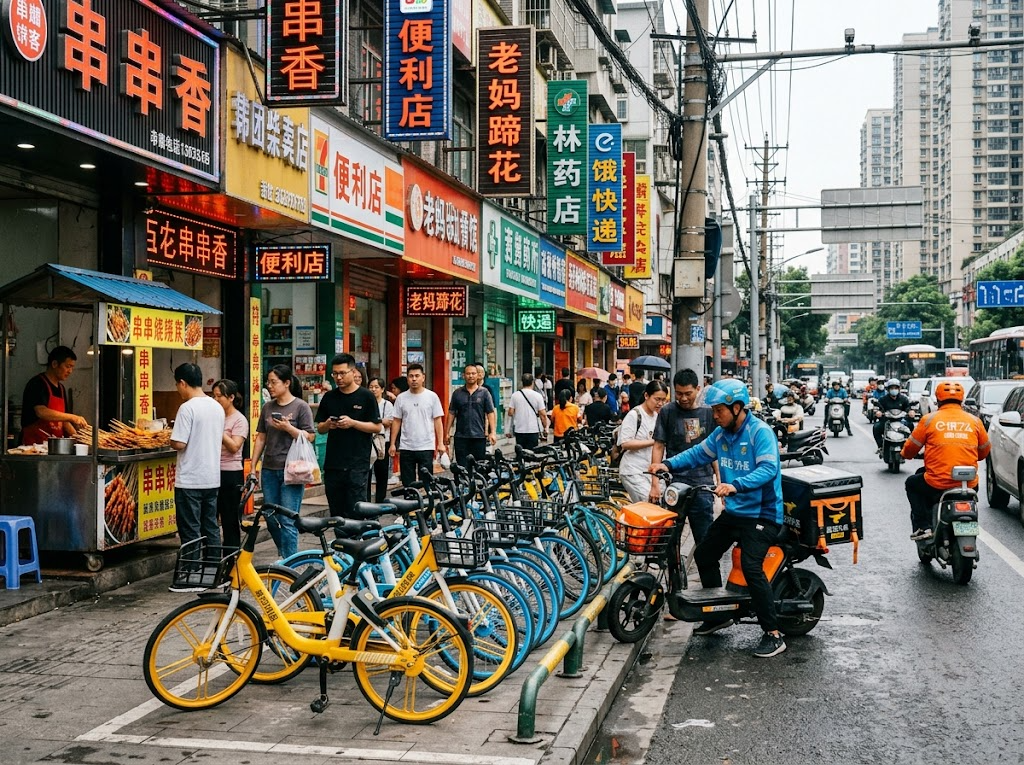
Nano Banana 2 included an older-model shared bike design that's been largely phased out — the kind you'd see from two years ago, not today.
Quick Takeaway: GPT Image 2 wins on temporal accuracy and scene realism.
7. GPT Image 2 VS Nano Banana 2: Product explainer infographic
Prompt: "A cutaway infographic of a smartphone, with labeled components, material callouts, and a specs table."
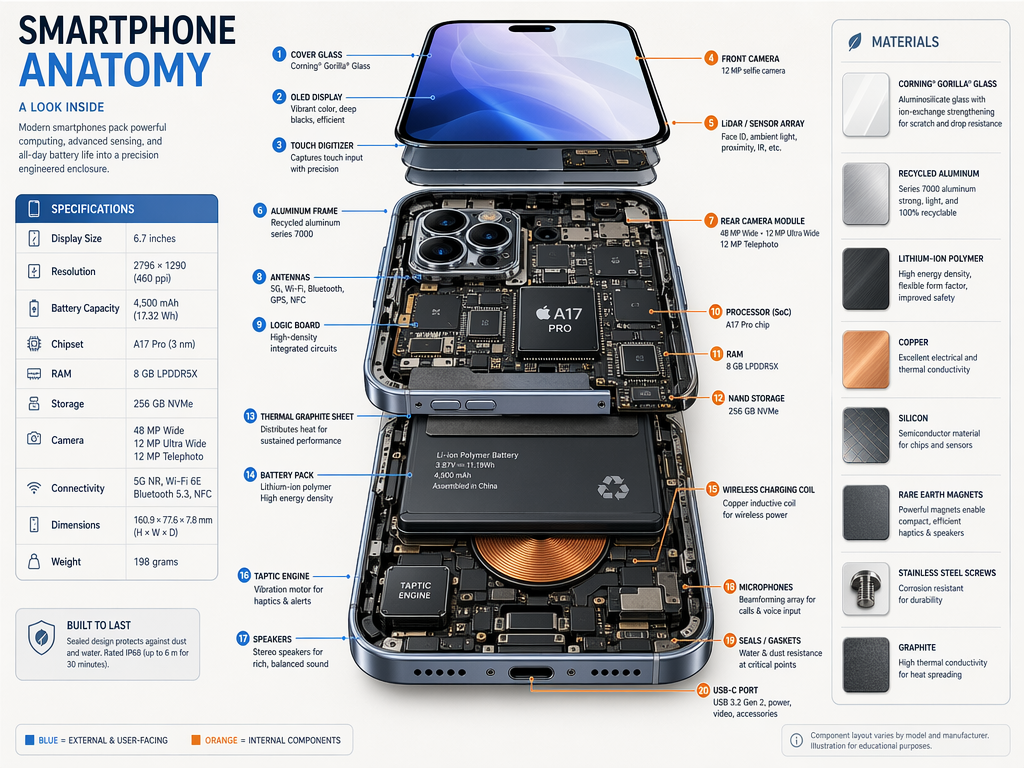
GPT Image 2 generated a detailed cutaway with labeled parts. Impressive visually — but on closer inspection, some material descriptions and color names were factually wrong. The model hallucinated specifications that don't exist in any real device.
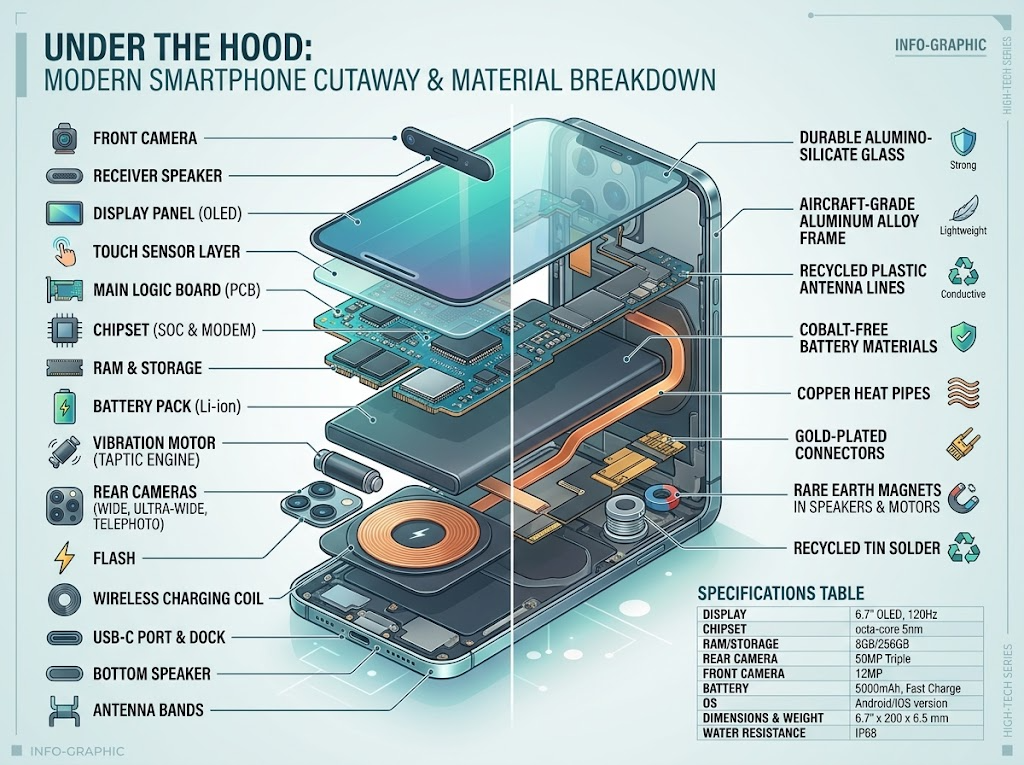
Nano Banana 2's output was simpler and less polished, but the text it included was more conservative and less prone to fabrication.
Quick Takeaway: Split. GPT Image 2 on visual quality; Nano Banana 2 on factual reliability. Verify text in either output before publishing.
GPT Image 2 VS Nano Banana 2: User Experience
GPT Image 2 runs in the browser through platforms like VisualGPT — no local installation, no subscription gate. Prompt input is direct, generation takes about 3 seconds, and the output lands immediately. The interface is minimal: prompt in, image out. There's no guided workflow or template library, which means you need reasonably descriptive prompts to get consistent results.
Nano Banana 2 runs in the browser through platforms like VisualGPT. The Pro tier adds a built-in editor with style transfer, brand swap, and image translation — a more structured workflow compared to GPT Image 2's open-ended interface. Batch generation (up to 4 variants) is built in at the prompt level, so you can generate options and pick the best without re-prompting.
For beginners: Nano Banana 2's template structure and editing tools lower the barrier. For developers and production pipelines: GPT Image 2's speed and API access are more practical.
GPT Image 2 VS Nano Banana 2: Security and Privacy
Independent testing by Pengpai's AlignLab found that GPT Image 2 can generate realistic-looking ID card modifications, social media page forgeries, and similar problematic outputs without visible watermarks or AI-content labels. OpenAI has content filters in place, but gaps exist — particularly around document manipulation and disinformation scenarios.
Nano Banana 2 produces outputs with Google's SafeSearch filters applied and is integrated with Google's broader trust and safety infrastructure. That doesn't mean it's abuse-proof, but the guardrails are more mature.
If you're working in journalism, legal, or compliance contexts, treat both models' outputs as unverified and apply independent checks before distribution.
Where GPT Image 2 Struggles
Factual hallucination in detail-heavy outputs. The smartphone infographic test above is a direct example. GPT Image 2 can generate text that looks authoritative but contains fabricated data. For product specs, datasheets, or any content where accuracy matters, check the text independently.
No batch variant generation. Nano Banana 2 Pro lets you generate up to 4 variants per prompt. GPT Image 2 produces one output at a time, though its multi-panel support handles grid layouts and storyboards well.
Limited editing toolkit. Nano Banana 2 offers built-in style transfer, brand swapping, and image translation. GPT Image 2's editing is more constrained. If iterative refinement within one tool is part of your workflow, Nano Banana 2 has the edge.
Where Nano Banana 2 Still Holds Ground
The GPT Image 2 VS Nano Banana 2 gap on Arena is real, but Nano Banana 2 has strengths that Elo scores don't capture:
Live web search for culturally current content (memes, brand updates, trending visuals)
Diffusion aesthetics that many artists prefer over photographic sharpness
Batch variant generation for rapid creative iteration
Editing features (style transfer, brand swap, image translation) that GPT Image 2 doesn't have
Mature integration with Google Workspace and Vertex AI
If your work depends on any of these, Nano Banana 2 isn't a downgrade. It's a different tool for a different job.
How to Try GPT Image 2 Without ChatGPT
If you don't have a ChatGPT Plus or Pro subscription, VisualGPT offers direct browser-based access to GPT Image 2. You can write prompts, test text rendering, and compare outputs without signing up for anything else. VisualGPT also supports multi-model workflows, so you can switch between GPT Image 2 and other models within the same session.
Pricing Comparison
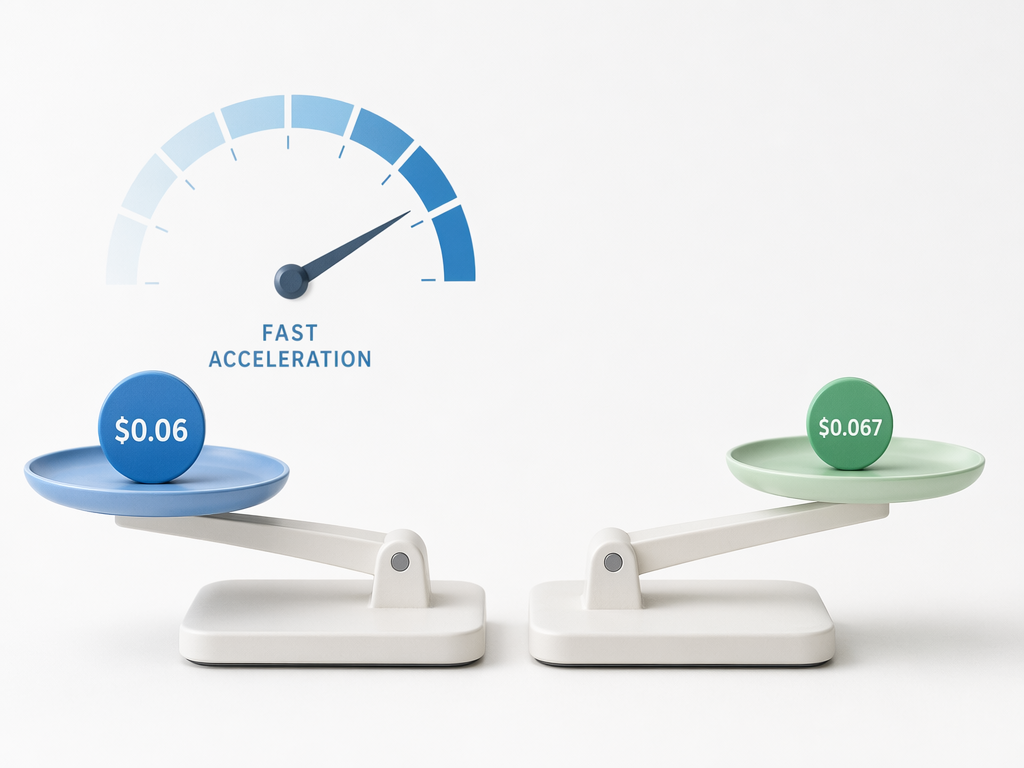
At the standard tier, the per-image cost is close:
GPT Image 2: roughly $0.06 per 1K standard images
Nano Banana 2: roughly $0.067 per 1K standard images
GPT Image 2's faster generation speed (~3 seconds vs 20–30 seconds) means shorter iteration cycles. In production environments where turnaround time directly affects cost, that difference compounds. Nano Banana 2 Pro's batch generation can lower per-asset costs if you consistently generate 4 variants and pick the best.
For most teams the price difference is small enough that the decision comes down to which capabilities you actually use.
Best Use Cases: Who Should Use Which
Choose GPT Image 2 if you are:
A designer who needs accurate text rendering in multilingual layouts
A developer building automated image pipelines where speed and API reliability matter
A marketer producing product photography, UI mockups, or branded assets at scale
Anyone who needs transparent backgrounds for logos or product cutouts
Choose Nano Banana 2 if you are:
A content creator whose work depends on trending memes, viral formats, or real-time brand visuals
An artist who prefers the diffusion aesthetic over photographic sharpness
A Google Workspace user who wants editing tools and batch generation in one place
A team that does a lot of A/B testing on visual creative
Frequently Asked Questions
Q: Is GPT Image 2 better than Nano Banana 2?
For most production work — text rendering, UI replication, commercial photography, multi-panel consistency — yes. The 242-point Elo gap reflects a real quality difference our tests confirmed. Nano Banana 2 still wins on trend-aware content and editing features.
Q: Can I use GPT Image 2 without ChatGPT?
Yes. VisualGPT provides browser-based access at GPT Image 2 without requiring a ChatGPT subscription.
Q: Which model handles multilingual text better?
GPT Image 2. Its ~99% character-level accuracy covers English, Japanese, Korean, Chinese, Arabic, and Hindi. Nano Banana 2 manages ~95% but makes more errors in dense multilingual layouts.
Q: How fast is GPT Image 2 compared to Nano Banana 2?
About 3 seconds per standard image vs 20–30 seconds for Nano Banana 2 Pro. If throughput matters, the speed difference is significant.
Q: Does Nano Banana 2 support transparent backgrounds?
No. That feature is currently only available through GPT Image 2.
Q: Is GPT Image 2's output safe to use?
Independent testing identified misuse vectors including document forgery and social media impersonation. The model doesn't attach AI-content watermarks to all outputs. If you're working in journalism, legal, or compliance contexts, verify outputs independently before distribution.
Q: Will Nano Banana 2 catch up?
Google has closed capability gaps quickly in past model generations. The practical question is which model serves your needs today.
Conclusion
GPT Image 2 leads the GPT Image 2 VS Nano Banana 2 matchup on most professional use cases — text rendering, generation speed, multi-panel consistency, and raw visual quality. The autoregressive architecture is a genuine technical shift, and the test results back it up.
Nano Banana 2 keeps real advantages in real-time cultural content, batch generation, and built-in editing. For artists and content creators who rely on those features, it's still a capable tool.
If you want to run your own prompts, test GPT Image 2 directly on VisualGPT — no subscription or account required.